Massachusetts Opioid Deaths Fall Below 1,000 for First Time Since 2013
Preliminary state figures show 978 opioid-related overdose deaths among residents in 2025, a nearly 60% drop from the 2022 peak, with officials pointing to changes in the drug supply, a shrinking at-risk population and expanded treatment.
By Ishani Kapalli ·
Massachusetts recorded fewer opioid-related overdose deaths in 2025 than in any year in more than a decade, according to preliminary figures from state public health officials.
The data show 978 confirmed and estimated opioid-related overdose deaths among state residents last year. It is the first time since 2013 that the annual total has been under 1,000.
The Massachusetts Department of Public Health reports that deaths held relatively steady from 2005 through 2011 before climbing sharply between 2012 and 2016. From 2016 through 2023, the state logged more than 2,000 deaths every year, peaking at 2,364 in 2022. The 2025 figure is almost 60% below that peak and an estimated 27% lower than in 2024.
Deirdre Calvert, director of the state's Bureau of Substance Addiction Services, said the decline reflects sustained investment in prevention, harm reduction, treatment and recovery support. She added that "behind every data point is a person — a loved one, a family member, a friend, a neighbor."
The trend mirrors the national picture. According to KFF, the United States had 54,045 fatal opioid overdoses in 2024, down from a high of 81,806 in 2022. Massachusetts, however, has fared better than most states against its pre-pandemic baseline. Only 20 states recorded fewer deaths in 2024 than in 2019, and Massachusetts's 36% decrease over that span tied with Ohio for the second-largest in the country. The state remains heavily affected, though: opioids accounted for 84% of its drug overdose deaths in 2024, a share exceeded only by Connecticut, New Hampshire, Delaware and Vermont.
DPH is still analyzing the 2025 numbers and expects to release more detailed findings by late summer. A March report examining 2024 data laid out three hypotheses for the decline.
The first concerns the drug supply. Deaths rose from 2013 to 2022 as prescription opioids and heroin gave way to synthetic opioids such as fentanyl, whose concentrations were "increasing and erratic." Officials say recent decreases may be partly explained by "decreasing and/or stabilizing concentrations of fentanyl." The sedative xylazine, which became far more common in drug samples between 2020 and 2024, may also play a role. Officials suggest it could be protective because it sedates users for longer, reducing the total number of use events, and that suppliers may be using less fentanyl in favor of xylazine.
The second hypothesis is that fewer people are at high risk. The pool may have shrunk because some people have built a higher tolerance to fentanyl, or because, in the report's words, "many have already died or otherwise left the risk pool through abstinence or increased use of safety practices."
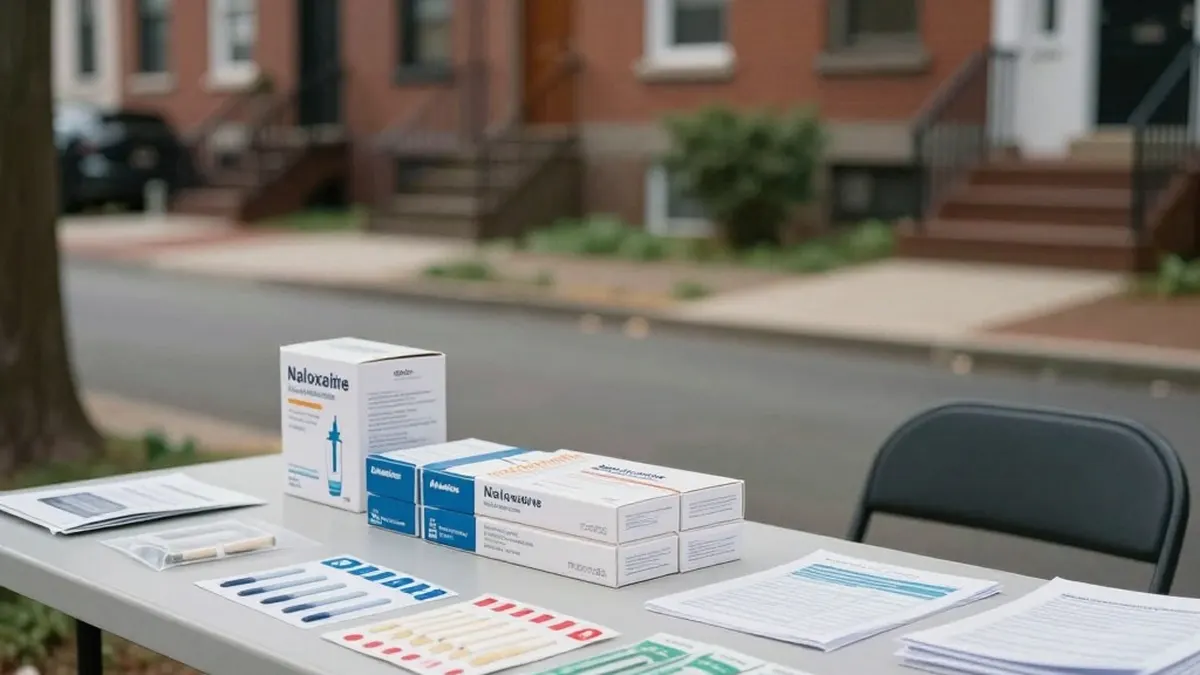
The third points to expanded prevention and treatment. The number of people receiving methadone through Opioid Treatment Programs has grown since 2015, including an 8% increase from 2023 to 2024, and Massachusetts has the fifth-highest number of such programs per capita nationally. Officials also cite wider distribution of naloxone, which reverses opioid overdoses, and harm reduction programs that are reaching more people with a broader range of supplies. The Healey administration says it has invested more than $1 billion since 2023 in efforts to reduce overdoses and substance use, including 150,000 naloxone kits for community organizations, 10,000 for first responders and nearly 400,000 fentanyl test strips in fiscal year 2025.
Gov. Maura Healey said the projected decline "represents thousands of lives saved, families kept whole, and communities strengthened," crediting clinicians, service providers, community programs and advocates.
Source: Boston.com